Delving into the History of Roof Tiling in Sewerby
The art of roof tiling in Sewerby, a picturesque village in the East Riding of Yorkshire, UK, dates back centuries. The village’s architectural charm is partly bestowed by the elegant, meticulously crafted roof tiles adorning its homes and buildings. The history of roof tiling in this part of the country is intertwined with that of the local clay industry, which flourished in the 18th and 19th centuries. The skill and craftsmanship that went into creating these tiles have been passed down through generations, resulting in a rich, enduring tradition.
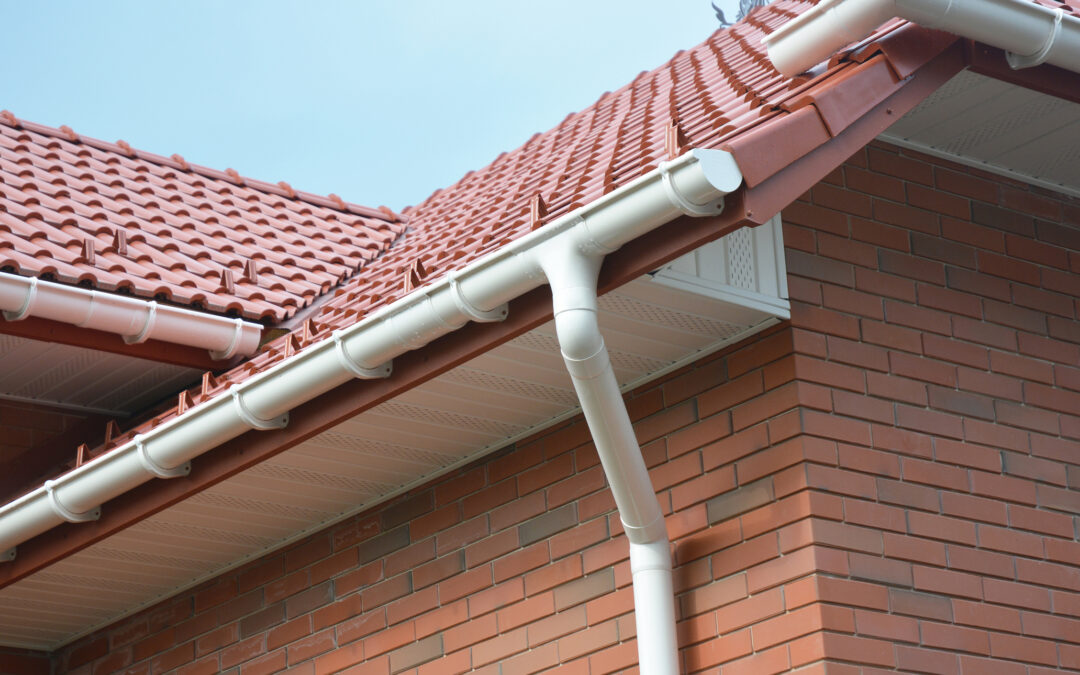
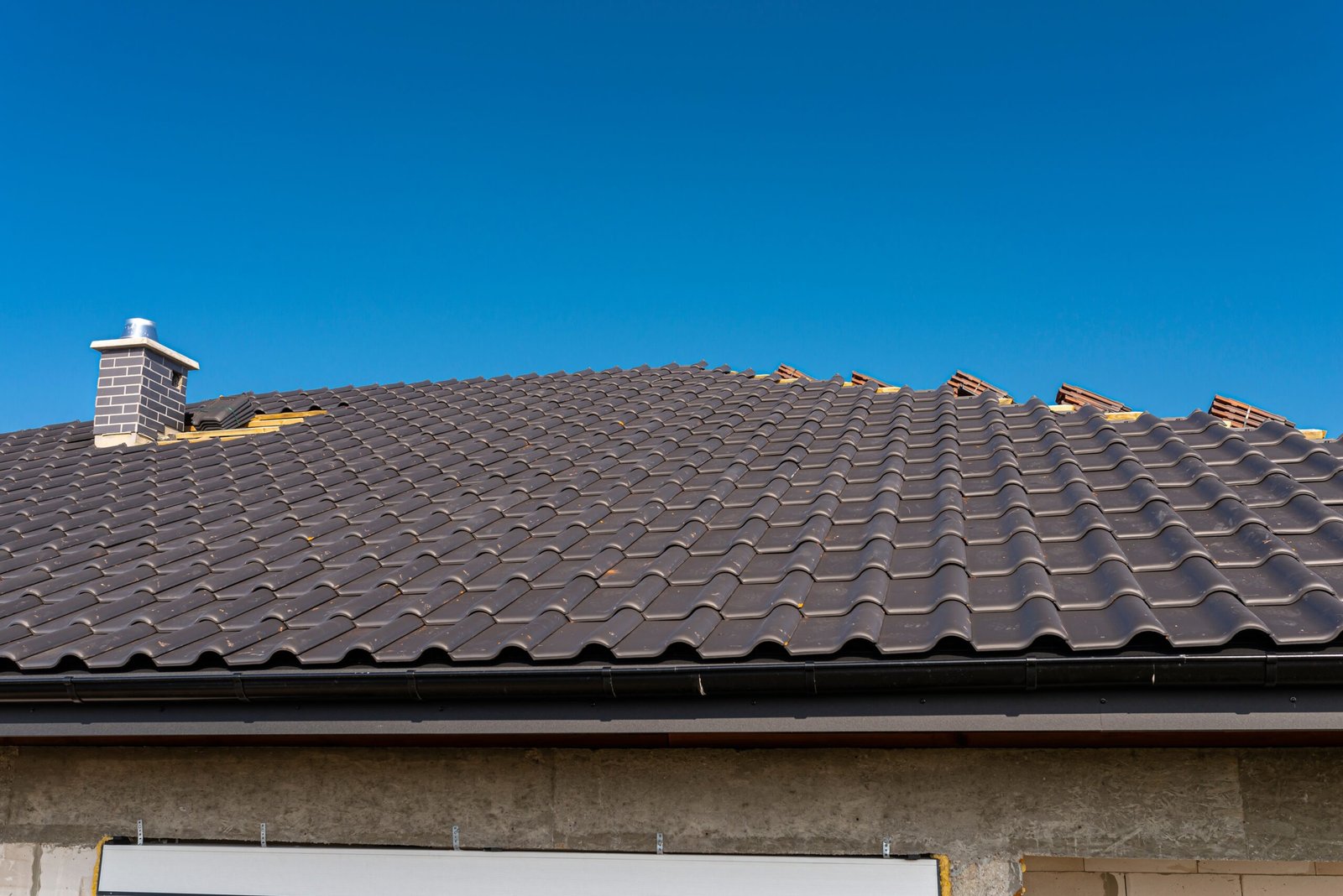
The earliest roof tiles in Sewerby were simple, flat clay tiles known as “pantiles”, characterised by their distinctive ‘S’ shape. As time progressed, other styles emerged, such as the Roman tile, a flat tile with a small roll, and the plain tile, a flat rectangular tile. These locally produced tiles have become a significant part of Sewerby’s architectural identity, contributing to the region’s distinct, rustic charm.
Moreover, roof tiling in Sewerby displays an evolution of style and techniques reflective of the changing times. Despite contemporary advancements in materials and techniques, the art and craft of traditional roof tiling continue to be treasured, maintaining the village’s historical and cultural integrity.
Roof Tiling: A Time-Honoured Art and Craft in the UK
In the UK, roof tiling is not merely a construction process; it is an art form steeped in rich history and tradition. The craft of roof tiling is a time-honoured one, requiring meticulous attention to detail, skill, and a deep understanding of the materials. Each tile is a testament to the artisan’s dexterity and dedication to maintaining this age-old craft.
Roof tiling in Sewerby is particularly noteworthy due to its longevity and resilience, with many original roofs still intact and functional. This durability is a testament to the quality of materials used and the skill of the tiling craftsmen. The benefits of such craftsmanship extend beyond aesthetics; a well-constructed tile roof provides excellent insulation, helping maintain temperature stability within the home and reducing energy consumption.
Furthermore, the art and craft of roof tiling enhances the architectural appeal of buildings, adding character and value. It is more than a mere functional feature; it is an expression of the region’s heritage, a tangible connection to the past, and a source of pride for the local community.
Elements of Design: The Aesthetics of Roof Tiles in Sewerby
The design and aesthetics of roof tiles in Sewerby are deeply rooted in tradition. The tiles are often red or brown, reflecting the natural colour of the local clay. Each tile carries the imprint of the craftsman’s hand, the irregularities and variations adding an individual charm and warmth to the overall look of the roof. This handcrafted quality is a key element of the aesthetic appeal of these tiles.
The design also takes into account practical considerations such as the local climate and architectural style. The ‘S’ shape of the pantiles, for example, allows for efficient water runoff, making them ideal for regions with heavy rainfall. The tiles’ design features a perfect blend of functionality and aesthetics, making each roof not only a protective shield but also an architectural masterpiece.
Moreover, the aesthetics of roof tiles in Sewerby are a reflection of the village’s cultural heritage and identity. The humble roof tile is transformed into an art piece, its design narrating a story of the village’s rich history, its artisanal heritage, and its strong ties to the local environment.
The Intricate Process of Crafting Traditional Roof Tiles
The process of crafting traditional roof tiles in Sewerby is a testament to the dedication and skill of the local artisans. It begins with the extraction of clay, which is then prepared and shaped into tiles. The tiles are dried and finally fired in a kiln, a process that further strengthens them and brings out their distinct colour.
Each step requires attention to detail and an understanding of the material’s behaviour. The clay must be carefully prepared to ensure the right consistency, and the tiles must be properly dried to prevent warping. The firing process must be precisely controlled to achieve the desired strength and colour. The entire process is labour-intensive and time-consuming, but the result is a product of exceptional quality and beauty.
Despite the advent of automated production methods, many artisans in Sewerby still adhere to these traditional techniques. They value the unique character and quality that can only be achieved by handcrafting. The craft of roof tiling is a labour of love, and the finished product is a testament to the skill, patience, and dedication of these artisans.
Material Matters: The Role of Local Resources in Roof Tiling
The choice of material is fundamental to the art and craft of roof tiling. In Sewerby, clay has been the material of choice for centuries. The local clay is abundant, easily accessible and possesses ideal properties for making durable, weather-resistant tiles. The use of local clay also ensures that the tiles blend harmoniously with the natural landscape and architectural style of the region.
Moreover, clay is a sustainable and environmentally friendly material. It requires minimal processing, and when a tile reaches the end of its life, it can be crushed and returned to the earth. This aligns with the increasingly important ethos of sustainability and respect for the environment.
While modern materials such as concrete and synthetic tiles have made their way into the market, the appeal of traditional clay tiles remains strong in Sewerby. The enduring popularity of these tiles is a testament to the timeless appeal and proven reliability of this traditional material.
Exploring the Impact of Climate on Roof Tiling Techniques
The local climate plays a significant role in shaping the roof tiling techniques in Sewerby. The village’s maritime climate, characterised by wet, mild winters and cool summers, necessitates a roofing solution that can withstand high levels of rainfall and humidity. Thus, the ‘S’ shaped pantiles, with their excellent water-shedding properties, became the preferred choice for many buildings.
Additionally, the techniques used to install the tiles are also influenced by the climate. For instance, tiles need to be securely fastened to the roof to withstand strong coastal winds. The underlay and battens used must also be resistant to moisture to prevent rot and deterioration.
The adaptability of roof tiling techniques to local climatic conditions ensures the longevity and durability of the roofs, providing effective protection against the elements and maintaining the structural integrity of the buildings. The inherent resilience of these traditional techniques underscores their relevance even in the face of changing climatic conditions.
Case Study: Unique and Noteworthy Roof Tiling in Sewerby
A shining example of the art and craft of roof tiling in Sewerby can be found in Sewerby Hall, a Grade I listed Georgian country house. The building’s roof, clad in traditional clay pantiles, is a testament to the local craft and a significant architectural feature. The tiles, with their rich, earthy colour and distinctive pattern, add character and charm to the building, complementing its stately architecture.
The roof of Sewerby Hall is not merely a protective cover; it is an integral part of the building’s aesthetic appeal. The well-preserved tiles bear witness to the craftsmanship of yesteryears and the enduring quality of the materials used. The careful maintenance and preservation of this historical roof is a testament to the value placed on maintaining this traditional art and craft in Sewerby.
This case study exemplifies how roof tiling can enhance the architectural appeal of a building, contributing to its uniqueness and historical significance. It also serves as a reminder of the importance of preserving and valuing our architectural heritage in the face of modernisation and change.
The Future of Roof Tiling: Innovations and Trends in Sewerby
Even as modern materials and techniques make their way into the construction industry, the art and craft of traditional roof tiling continue to hold their ground in Sewerby. However, the future of roof tiling is not merely about preserving the past; it also involves embracing innovation and adapting to changing needs and expectations.
One such trend is the increasing focus on sustainability. Eco-friendly materials, energy-efficient designs, and environmentally friendly manufacturing processes are becoming more prevalent. In response to this, local artisans are exploring ways to make their craft more sustainable, such as using recycled clay or incorporating energy-saving features into their designs.
Another promising trend is the use of technology in preserving and promoting this traditional craft. Digital tools and platforms provide opportunities for artisans to showcase their work, share their knowledge, and connect with a global audience. These innovations, while modern in their application, serve to enrich and enhance the time-honoured art and craft of roof tiling in Sewerby.