The Historical Significance of Roof Tiling in Filey
The coastal town of Filey, nestled in the heart of North Yorkshire, has a rich history that is reflected in its architectural heritage. One of the most distinctive features of Filey’s vernacular architecture is its roof tiling. The art of roof tiling in Filey dates back to the Victorian era, when the town was a thriving fishing community, and the roofs were designed to withstand harsh coastal weather. The aesthetic appeal and durability of these roofs have significantly contributed to Filey’s unique character and charm.
Historically, roof tiling was not merely a functional requirement, but also a display of wealth and status. In Filey, the intricately designed and carefully laid tiles reflected the prosperity and social standing of the homeowners. The roofs were often the first element of the house to be noticed, thus their design and upkeep were considered of utmost importance. This tradition has been preserved over the years, making roof tiling an enduring aspect of Filey’s cultural heritage.
Over the centuries, the art of roof tiling has evolved to include new materials and techniques, yet the essence of the craft remains unchanged. Even today, a walk through the streets of Filey will reveal a panorama of tiled roofs, each telling a story of the town’s past and adding to its overall historical significance. This narrative is a testament to the craftsmanship of the roof tilers, whose skills have been passed down through generations and continue to shape the town’s landscape.
Techniques and Materials Used in Filey Roof Tiling
In Filey, the traditional roof tiling technique involves overlapping tiles in a manner that ensures effective water drainage and resistance to strong winds. The tiles are carefully arranged, usually starting from the bottom of the roof and working upwards, with each row partially covering the one below it. These time-tested techniques, perfected over centuries, have proven to be remarkably effective against Filey’s often harsh coastal weather.
The materials used in Filey’s roof tiling offer both practicality and aesthetic appeal. Traditionally, clay tiles were the material of choice due to their natural abundance, durability and weather-resistant properties. The clay tiles are often fired at high temperatures to harden and seal them, making them impervious to water and resistant to frost damage. This ensures that the roofs remain sturdy and functional for many years, with minimal maintenance required.
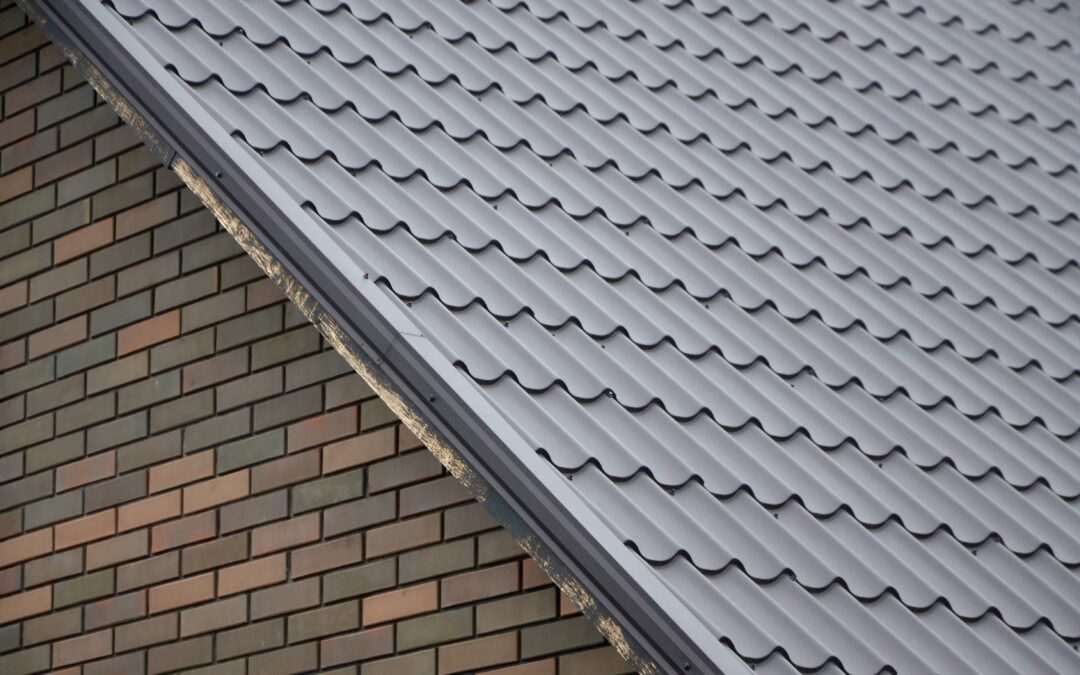
Over time, slate and concrete tiles have also been increasingly used in Filey roof tiling. Slate offers a sleek, modern aesthetic and is highly durable, while concrete tiles are cost-effective and offer a wide range of design possibilities. Regardless of the material used, the fundamental principles of Filey roof tiling remain consistent, reflecting a balance between tradition and innovation.
The Artistic Influence on Filey’s Roof Tiling Designs
Filey’s roof tiling designs are not just functional but also artistic, with the tiles often arranged in intricate patterns that add an element of visual interest to the buildings. The designs are influenced by a variety of factors, including local customs, architectural trends, and the natural landscape of Filey. For instance, fish scale patterns, which mimic the shape of fish scales, are a common motif in Filey’s roof tiling, reflecting the town’s maritime history.
The colours used in Filey’s roof tiling also play a significant role in its aesthetic appeal. The traditional earthy tones of clay tiles blend harmoniously with the surrounding environment, creating a timeless appeal. More contemporary designs, on the other hand, might incorporate a wider palette of colours, adding a touch of modernity to the historic town. These colourful roofs not only enhance the town’s visage but also contribute to Filey’s cultural vibrancy.
It is also worth noting that the artistic influence on Filey’s roof tiling extends beyond the town’s borders. The distinctive designs and patterns found in Filey have helped to put the town on the map and have influenced roof tiling practices in other parts of the UK. This cross-pollination of ideas has served to enrich the art of roof tiling, both within and outside Filey.
The Role of Roof Tiling in Filey’s Architectural Identity
Roof tiling plays a pivotal role in defining Filey’s architectural identity. The diverse array of roof tiling designs found across the town showcases its architectural diversity and reflects the confluence of historical and contemporary influences. The highly skilled craftsmen who create these roofs not only protect the buildings from the elements but also contribute to the town’s visual character and identity.
The rooftops of Filey are like a patchwork quilt, with each tile representing a piece of the town’s history. The older buildings, with their clay tile roofs, speak to the town’s Victorian past, while more modern constructions with slate or concrete tiles represent the town’s embrace of contemporary design trends. Yet, all these roofs share a common characteristic – they all carry the distinct imprint of Filey’s roof tiling tradition.
The characteristic patterns and colours of Filey’s roof tiling have become synonymous with the town itself. They have not only become an integral part of its architectural identity but have also shaped its cultural narrative. Through their simple yet profound beauty, these roofs serve as a constant reminder of Filey’s rich heritage and its enduring commitment to craftsmanship.
An Examination of Iconic Filey Roof Tiling Patterns
Filey’s roof tiling boasts of myriad patterns that are a testament to the creativity and craftsmanship of the local tilers. One of the most iconic patterns is the so-called ‘fish scale’ design, which is a nod to the town’s fishing heritage. The tiles are arranged to resemble the overlapping scales of a fish, creating a visually appealing pattern that is as beautiful as it is symbolic.
Another frequently seen pattern is the ‘diamond’ design, wherein the tiles are arranged diagonally, forming a diamond pattern. This design is a perfect blend of aesthetics and functionality, as it not only enhances the visual appeal of the roofs but also ensures efficient water run-off. The diamond pattern’s simple elegance and practicality make it a popular choice among homeowners in Filey.
The ‘wave’ pattern, another iconic design, draws inspiration from Filey’s coastal location. The tiles are laid in a curvilinear pattern, reminiscent of ocean waves, creating a dynamic visual effect. This design is a prime example of how Filey’s roof tilers have artfully merged local influences with their craft to create unique and memorable roofing patterns.
Conservation Efforts for Traditional Filey Roof Tiling
As with any heritage craft, the preservation of traditional Filey roof tiling is critical. Conservation efforts have been undertaken by local authorities and heritage organisations, with a focus on maintaining the aesthetic integrity of the town and preserving its architectural heritage. These efforts include grants for roof maintenance and restoration, as well as initiatives to educate homeowners about the importance of traditional roof tiling.
Furthermore, several local artisans are committed to preserving this ancient skill by passing it down to younger generations. They hold workshops and training courses to teach the traditional techniques and share the stories behind the designs. This not only ensures the continuation of the craft but also fosters a sense of community and pride in Filey’s heritage.
However, conservation is not just about preserving the past. It also involves adapting to the changing needs of the present. Therefore, modern materials and techniques are often incorporated into traditional designs, creating a blend of old and new that respects the town’s history while catering to modern needs. This approach not only helps to preserve the traditional craft but also ensures its relevance in today’s world.
The Evolution and Modern Adaptations of Filey Roof Tiling
The art of roof tiling in Filey has undergone significant evolution over the centuries, reflecting changes in materials, techniques, and design trends. Modern roof tiling in Filey often incorporates new materials such as slate and concrete, which offer a variety of design options and are highly durable and weather-resistant. This has resulted in a broader diversity of roof tiling designs, marrying traditional craftsmanship with contemporary aesthetics.
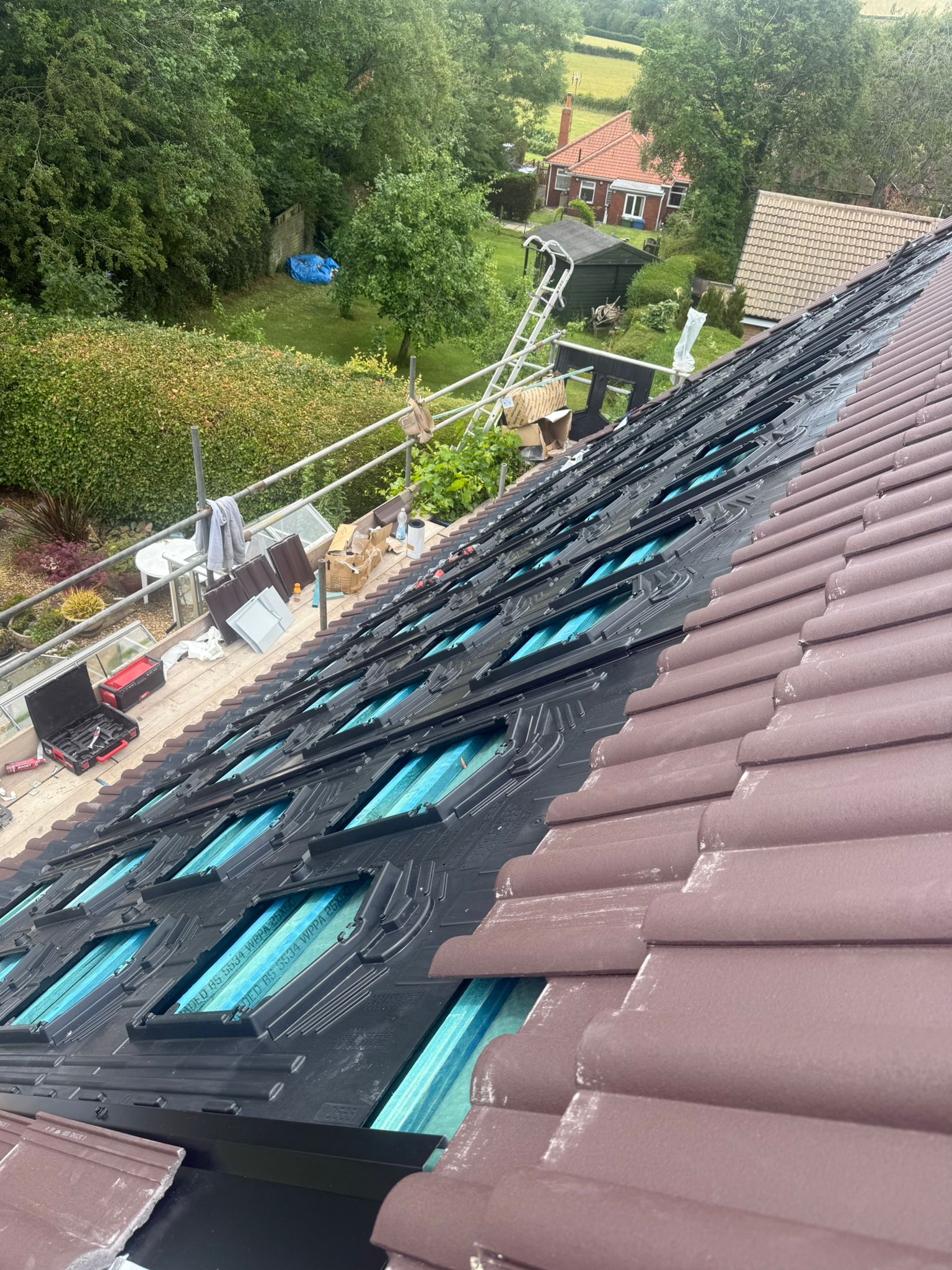
Modern adaptations also extend to the techniques used in roof tiling. While the fundamental principles of laying tiles remain the same, advancements in technology have made the process more efficient and precise. For instance, modern tools allow for more accurate cutting and fitting of tiles, while innovative materials offer improved water resistance and insulation.
Despite these modern adaptations, the essence of Filey’s roof tiling tradition remains intact. The town’s roof tilers continue to value craftsmanship, durability, and aesthetic appeal, principles that have guided the craft for centuries. By embracing change while respecting tradition, Filey’s roof tiling continues to evolve, maintaining its relevance and charm in the modern era.
The Future of Roof Tiling Craftsmanship in Filey
The future of roof tiling in Filey looks promising, with a renewed interest in traditional crafts and a growing appreciation for local heritage. As more people become aware of the beauty and value of traditional roof tiling, there is likely to be increased demand for these skills. This could lead to a revival of the craft, with more artisans taking up roof tiling and more homeowners opting for traditional designs.
Education will play a crucial role in the future of roof tiling in Filey. It is important to educate younger generations about the value of this craft, not just as a functional necessity but as an art form and a link to their cultural heritage. Schools, community centres, and heritage organisations can play a key role in this, offering workshops and courses that teach the skills and knowledge needed for roof tiling.
Overall, the future of Filey’s roof tiling craftsmanship hinges on striking a balance between preserving the past and embracing the future. This involves respecting the traditional techniques and designs that have shaped Filey’s architectural identity, while also adapting to new materials, technologies, and market needs. With a commitment to this balance, Filey’s roof tiling tradition can continue to flourish, adding to the town’s charm and character for generations to come.