Unveiling the Charm of Scarborough’s Leadwork
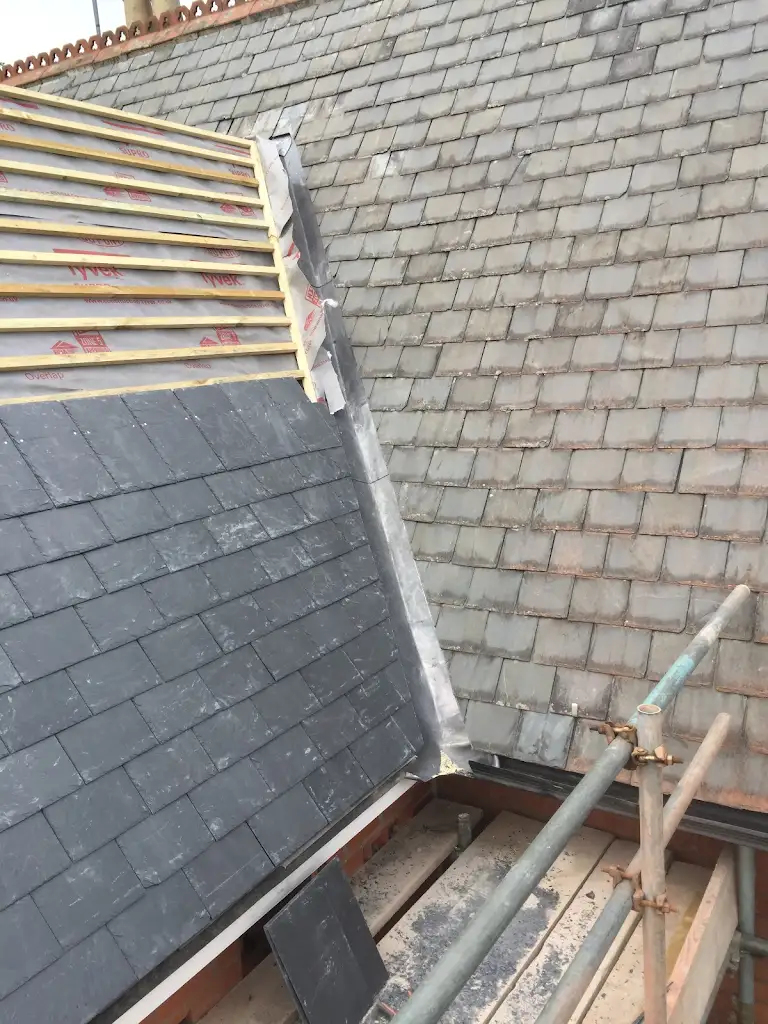
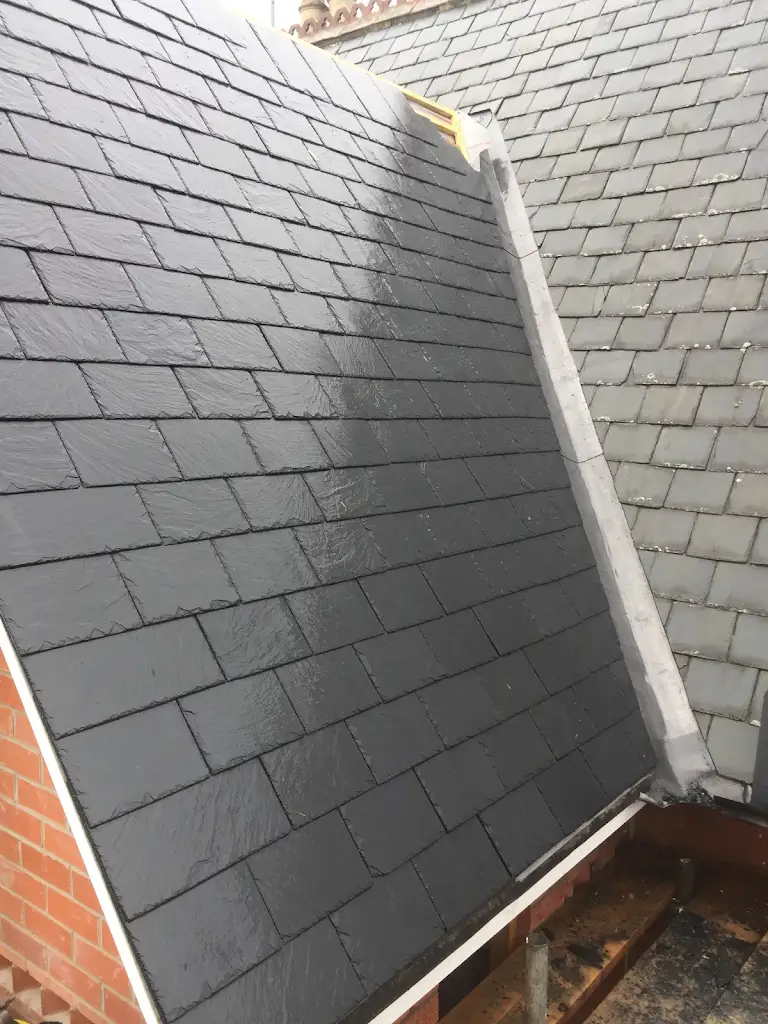
Scarborough, a town on the North Sea coast of North Yorkshire, England, is renowned not only for its picturesque beauty but also for its rich history and cultural heritage. One of the town’s significant features is its exquisite leadwork, a hidden gem that adds charm and character to Scarborough’s architecture. The leadwork is predominantly showcased in older buildings, churches, and historical landmarks, each piece telling a unique story from a different era.
Known for its robustness and longevity, leadwork complements Scarborough’s architecture and enhances its appeal. It provides an aesthetic, rustic appeal, blending harmoniously with the buildings’ stone and brickwork. The intricate designs and masterful craftsmanship of the leadwork often leave visitors and locals alike in awe.
The beauty of Scarborough’s leadwork lies not only in its artistic splendour but also in its practical benefits. Lead, being malleable and resistant to corrosion, is an excellent material for crafting intricate designs and for safeguarding structures against harsh weather conditions. It is a testament to the skilled artisans of the past who understood the potential of this versatile material and transformed it into spectacular works of art.
Historical Context of Scarborough’s Leadwork Artistry
The artistry of leadwork in Scarborough has its roots in the medieval period, when lead was widely used in construction due to its malleability and durability. Many of Scarborough’s historic buildings, including the iconic Scarborough Castle and St Mary’s Church, feature elaborate leadwork that has weathered centuries, offering a glimpse into the town’s rich past.
Over time, the use of lead evolved from purely functional to increasingly decorative. The leadwork in Scarborough became more intricate and began to exhibit a range of styles, influenced by different architectural movements. The Elizabethan, Georgian, and Victorian eras, in particular, saw a surge in the use of lead in ornamental elements, such as statues, finials, and ornate roof crests.
Today, the centuries-old leadwork in Scarborough stands as a testament to the town’s cultural heritage and the enduring artistry of its craftspeople. These masterpieces have withstood the test of time, serving as a testament to the skills and creativity of the artisans of bygone eras.
Examining the Exquisite Detail in Scarborough’s Leadwork
Examining the detail in Scarborough’s leadwork is like stepping back in time, each design narrating a different chapter in the town’s history. The leadwork features diverse patterns and motifs, from geometric shapes inspired by the medieval period to intricate flora and fauna imageries of the Victorian era. They also often include heraldic symbols and religious iconography, reflecting the town’s historical and cultural narratives.
Particularly noteworthy are the decorative lead rainwater heads and downpipes found on many historic buildings. These functional elements have been transformed into stunning works of art, featuring detailed motifs and intricate designs. The lead statues and ornaments, many still with their original lead paint, are equally captivating, showcasing the high level of craftsmanship of the artisans.
These historical leadwork pieces provide a unique insight into the past, providing an intimate perspective of Scarborough’s cultural evolution. They echo the skills, creativity, and aesthetic sensibilities of the town’s craftspeople, inspiring admiration and appreciation for their enduring artistry.
A Closer Look at Leadwork Techniques in Scarborough
The crafting of Scarborough’s exquisite leadwork requires a high level of skill and expertise. The techniques used have been passed down through generations, preserving the traditional artistry while adapting to modern advancements. Leadwork involves several processes, such as casting, bossing, welding, and patina, each requiring a high level of precision and attention to detail.
Lead casting involves pouring molten lead into a mould to create intricate designs. The process of bossing, on the other hand, involves shaping and forming lead sheets by hand. Welding, a technique used to join pieces of lead together, is a crucial part of leadwork, as is patination, a process that gives lead a protective layer and a distinctive aged appearance.
The final result is a piece of leadwork that is not only beautiful but also robust and durable. This intricate process, coupled with the longevity of lead, results in works of art that can endure for centuries, enhancing the architectural aesthetics and preserving the cultural heritage of Scarborough.
Preservation of Scarborough’s Fine Leadwork
There’s a strong commitment in Scarborough to preserving the town’s fine leadwork. Conservation efforts are undertaken to ensure that these historic works of art continue to enchant future generations. Many of the town’s historic buildings, including churches, manor houses, and civic buildings, feature leadwork that is carefully maintained and restored when necessary.
Preservation techniques involve careful cleaning, repair, and repainting to maintain the leadwork’s original beauty and integrity. In cases of extensive damage, expert artisans are called upon to reproduce the original designs, ensuring a faithful recreation of the original piece.
These conservation efforts not only preserve the town’s artistic heritage but also serve an educational purpose. They provide a tangible link to the past, allowing current and future generations to appreciate the talent and craftsmanship of the town’s historic artisans.
Influence of Scarborough’s Leadwork on Modern Design
The influence of Scarborough’s leadwork extends beyond its borders, impacting modern design in more ways than one. Its aesthetic and functional features have inspired contemporary architects and designers, leading to a resurgence of leadwork in both restoration projects and new builds.
Modern leadwork designs often echo the intricate patterns and motifs found in Scarborough’s historic leadwork, albeit with a contemporary twist. They are seen in decorative elements such as leaded windows, roof crests, and rainwater goods, adding a touch of classic elegance to modern buildings.
The use of lead in modern design also underscores the material’s environmental benefits. Lead is 100% recyclable and has a lower carbon footprint compared to other building materials, making it a sustainable choice in contemporary architecture.
The Future of Leadwork Craftsmanship in Scarborough
As Scarborough continues to cherish its cultural heritage, the future of leadwork craftsmanship in the town looks promising. There is a renewed interest in traditional crafts, including leadwork, with workshops and training programmes being organised to teach these skills to the younger generation.
At the same time, technological advancements are being incorporated into the leadwork process, creating an exciting fusion of traditional craftsmanship and modern innovation. Digital tools are being used for design and precision, while traditional techniques are employed to ensure the authenticity of the craft.
The hope is that this balance of old and new will ensure the continuity of Scarborough’s leadwork tradition. As the town looks to the future, it carries with it the rich legacy of its past, promising to keep its exquisite leadwork alive for generations to come.
Appreciating the Artistry of Scarborough’s Leadwork
Appreciating the artistry of Scarborough’s leadwork requires an understanding of the expertise, effort, and passion that go into each piece. The intricate details, the timeless designs, and the durability of the material all speak of the skill and dedication of the artisans. Each piece is a testament to the town’s cultural heritage and the enduring allure of traditional crafts.
In a world that is increasingly dominated by mass-produced designs, the uniqueness and authenticity of Scarborough’s leadwork stand out. They remind us of the beauty of craftsmanship and the value of preserving cultural heritage. Each piece of leadwork is not just a decorative element; it is a piece of history, a work of art, and a symbol of Scarborough’s distinctive character.
As we step into the future, let’s appreciate and preserve the artistry of Scarborough’s leadwork. Let’s celebrate the skills of the artisans, both past and present, and the town’s commitment to preserving its rich cultural heritage. In doing so, we can ensure that the charm of Scarborough’s exquisite leadwork continues to enchant generations to come.