Introduction to the Charm of Flat Roofing in Sewerby
Located on the picturesque Yorkshire Coast, Sewerby is a quintessential British village known for its charming houses with a distinctive architectural feature – the flat roofs. This architectural approach, while not unique to the region, embodies a sense of style and purpose that adds to the visual appeal of the village. The flat roofing in Sewerby offers a perfect blend of artistic expression and practical utility, enriching the village’s character and enhancing its visual appeal.
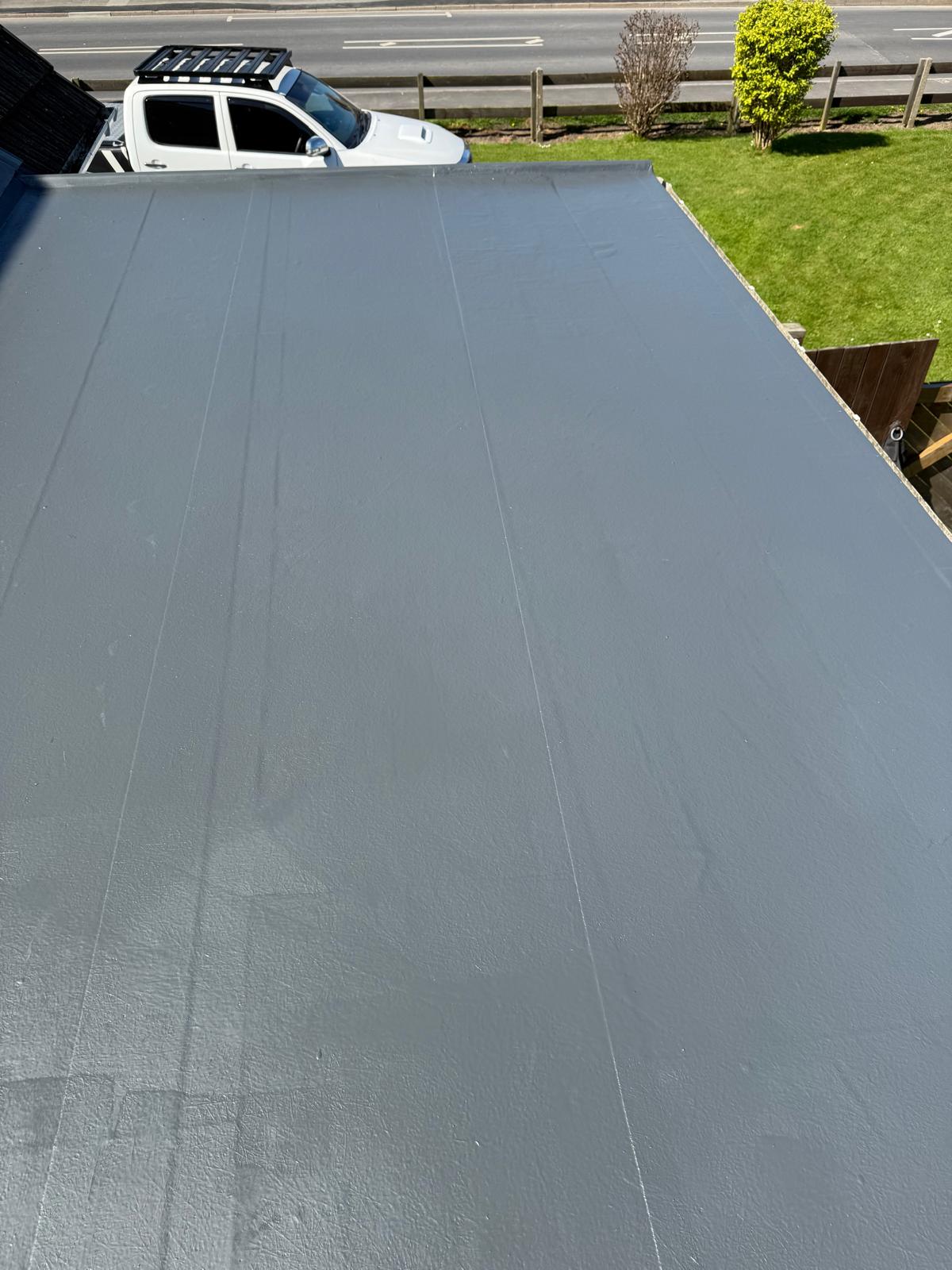
The flat roofs here seem to effortlessly seize the beauty of simplicity, giving the homes a minimalist, modern look. Yet, they also carry traditional undertones, reflecting Sewerby’s architectural heritage, which has been preserved over the centuries. These roofs, from a distance, appear like a uniform sheet of harmony, gently blending into the landscape and enhancing the village’s aesthetic appeal.
However, there’s more to these roofs than just their visual charm. Flat roofing in Sewerby also represents a substantial utility, offering a range of benefits to homeowners, from economic advantages to weather resistance, thus making them a popular choice for local homes.
Historical Perspectives on Flat Roofing in the UK
The history of flat roofing in the UK is rich and varied, tracing its roots back to the Victorian era. Flat roofs, once primarily used on outbuildings and annexes, gradually found their place in main building structures, primarily due to their simplicity and ease of construction. In Sewerby, this architectural feature has been a part of the local building tradition for many years, illustrating a fascinating journey of adaptation and resilience.
Since the post-war period, flat roofs have gained popularity in British architecture due to their cost-effectiveness, speed of construction, and versatility. They began appearing on a variety of structures, from commercial buildings to residential homes, illustrating an architectural shift towards functional aesthetics.
Sewerby’s flat roofs are a part of this ongoing historical narrative, and they continue to evolve with changing architectural trends while preserving their traditional appeal. The local builders and architects have a deep understanding of this roofing style’s history, which they use to maintain the village’s architectural heritage with a contemporary touch.
Artistic Interpretations of Flat Roofing in Sewerby
From an aesthetic viewpoint, the flat roofs in Sewerby are a canvas open for artistic interpretation. The clean, uncomplicated lines of these roofs provide a modern yet timeless appeal. The flat surfaces also open up possibilities for creative use, such as roof gardens or terrace spaces, adding another layer of visual appeal and functionality.
The flat roofing style also complements the coastal landscape of the village, mirroring the vast, level horizons of the nearby sea. The contrast between the angular lines of the houses and the gentle curvature of the surrounding hills paints a striking picture, highlighting the harmonious coexistence of the built and the natural environment.
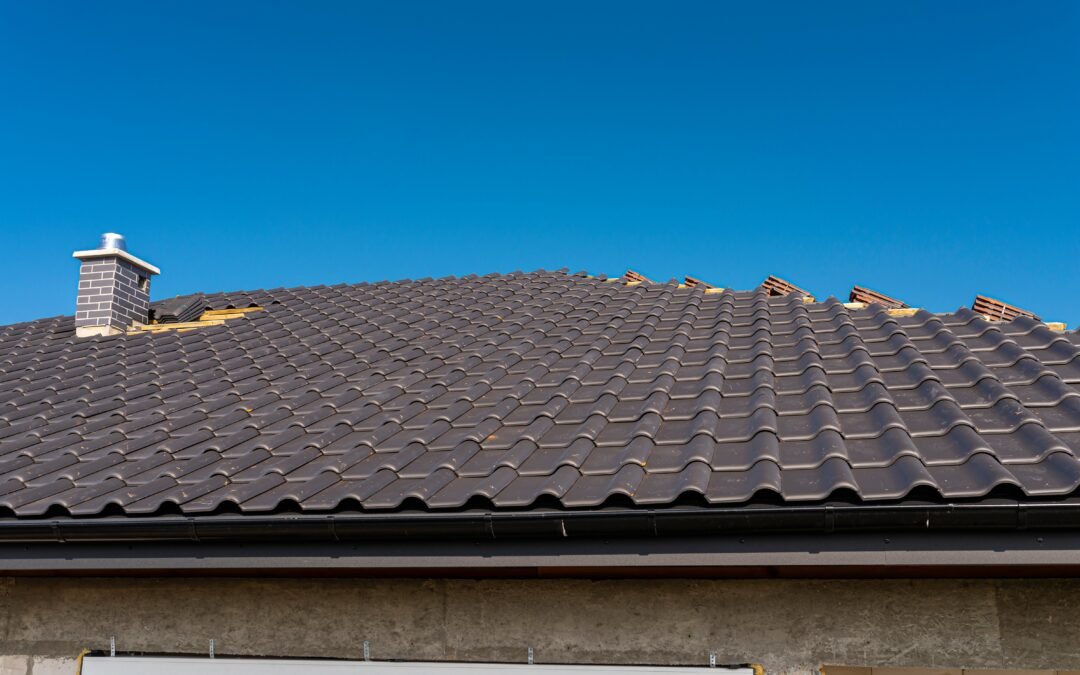
Moreover, the flat roofs are often adorned with traditional materials such as slate or clay tiles, adding a touch of rustic charm. This blend of contemporary design with traditional elements showcases the versatility of flat roofs and their ability to adapt to different artistic interpretations.
The Practical Utility of Flat Roofs in British Architecture
Apart from their aesthetic appeal, flat roofs are renowned for their practical utility. They offer a host of benefits, such as reduced costs due to simpler construction, easy maintenance, and space efficiency. The flat surface can be utilised for various purposes, such as additional storage or recreational space, adding significant value to the property.
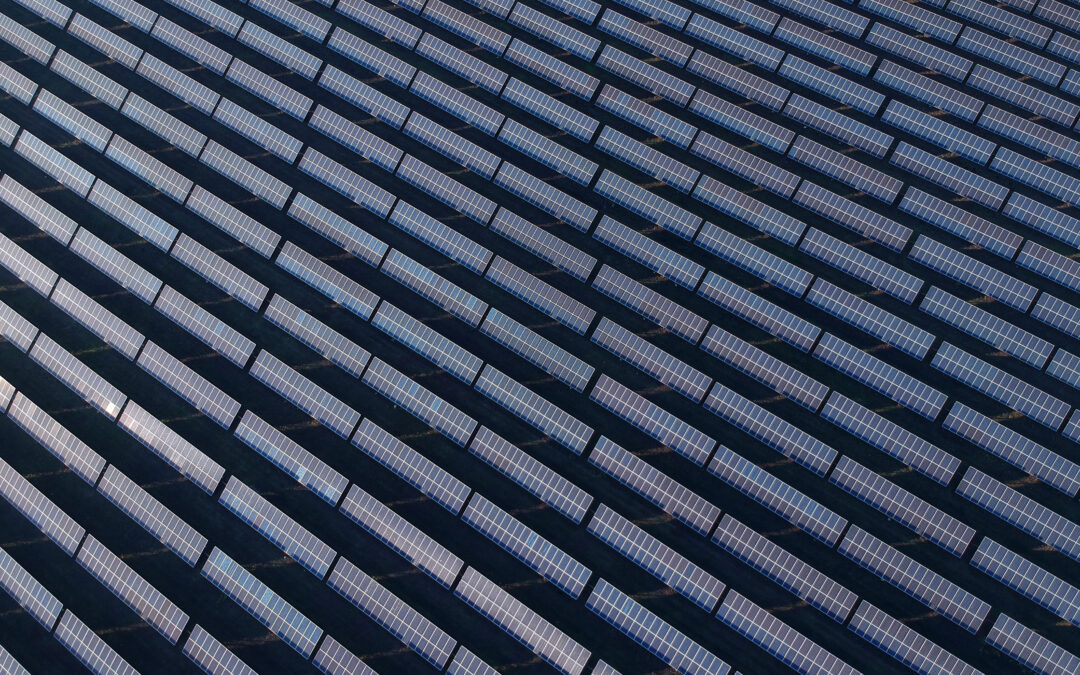
Flat roofs also offer enhanced energy efficiency, as their design helps minimise heat loss, reducing heating bills during the colder months. Moreover, they provide an ideal platform for installing solar panels, further contributing to energy savings and environmental sustainability.
In Sewerby, these practical benefits of flat roofs are well-recognised by homeowners and builders alike. They understand that flat roofing isn’t merely about architectural beauty; it also provides a range of practical advantages that make it a smart choice for modern living.
Weather Resilience: Flat Roofing in Coastal Sewerby
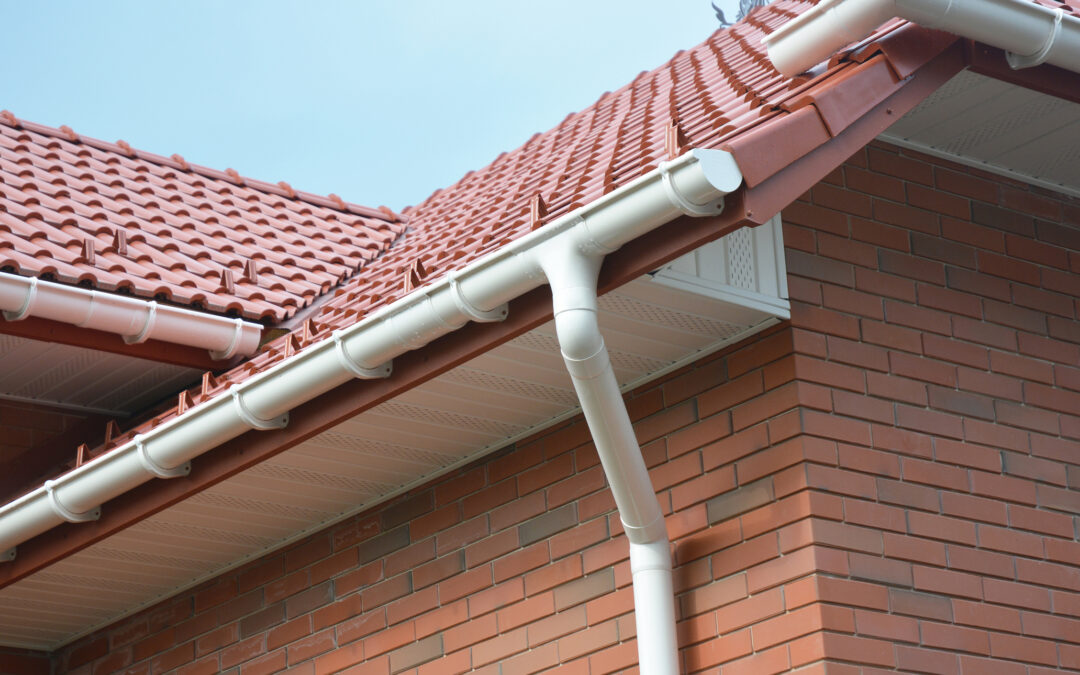
Being a coastal village, Sewerby is subject to unique weather conditions, including strong winds and heavy rain. As such, the durability and resilience of flat roofs play a crucial role in withstanding these environmental challenges. With proper design and installation, flat roofs can effectively manage rainfall through efficient drainage systems, reducing the risk of water damage.
Moreover, the uniform structure of flat roofs presents less surface area to the wind, reducing the impact of heavy gusts, a common feature of coastal weather. This feature not only enhances the roof’s longevity but also ensures the safety and comfort of the inhabitants.
In Sewerby, local builders and architects are well-versed in designing and constructing flat roofs that can withstand the local weather conditions. This expertise, combined with the use of high-quality, durable materials, ensures the longevity and durability of the village’s flat roofs.
Economic Benefits of Flat Roofing in Sewerby Homes
Flat roofs also offer substantial economic benefits. Due to their simple design and construction, flat roofs are often more economical to install compared to sloped roofs. Additionally, their maintenance costs are typically lower, as repairs and inspections are easier to perform on a flat surface, enhancing their cost-effectiveness in the long run.
The space efficiency of flat roofs also adds to their economic value. The utilisation of the roof area for storage or recreational purposes can significantly increase the property’s usable square footage, potentially increasing its market value. Moreover, the enhanced energy efficiency of flat roofs can result in considerable savings on energy bills.
Thus, the homeowners in Sewerby recognise the economic advantages of flat roofing. These benefits, coupled with the aesthetic appeal and practical utility, make flat roofs a popular choice among local residents.
Reviving Traditional Craftsmanship in Flat Roofing
Flat roofing in Sewerby is not just about the modern architectural trends; it’s also about reviving traditional craftsmanship. Local builders and roofers draw upon centuries-old methods and techniques in their work, blending them with modern materials and technologies to create roofs that are beautiful, durable, and efficient.
The use of traditional materials, such as slate and clay tiles, not only enhances the roofs’ aesthetic appeal but also contributes to their durability and resilience. This approach helps preserve the local architectural heritage and keeps the traditional crafts alive, adding to the village’s cultural value.
This revival of traditional craftsmanship isn’t just about preserving the past; it’s also about building a sustainable future. By combining age-old wisdom with modern innovations, Sewerby’s builders and roofers are creating roofs that are not only aesthetically pleasing but also sustainable and efficient, paving the way for a greener, more sustainable future.
Future Prospects for Flat Roofing in Sewerby and Beyond
The future prospects for flat roofing in Sewerby and beyond appear promising. As homeowners and builders become more aware of the benefits of flat roofs, their popularity is likely to grow. The blend of aesthetic appeal, practical utility, economic benefits, and environmental sustainability makes flat roofs a compelling choice in modern architecture.
Moreover, as people increasingly value outdoor space, the potential to transform a flat roof into a garden, terrace, or solar panel platform could further boost its appeal. With the right design and construction, a flat roof can be not just a protective covering, but also a functional, enjoyable space.
In conclusion, flat roofing in Sewerby embodies the perfect blend of art and utility, tradition and innovation. As we look towards the future, we can expect this architectural feature to continue evolving, adapting, and enhancing the landscape of this charming coastal village and beyond.