Understanding the Importance of Gutter Replacement
Gutter systems play a pivotal role in the maintenance and protection of any building by effectively channelling rainwater away from the structure. A well-functioning gutter system safeguards your property from water damage, which, if unchecked, could lead to substantial structural issues, including foundation erosion, basement flooding, and roof leaks. In the context of the UK’s rainy climate, the importance of a reliable gutter system cannot be underestimated, making regular checks and timely replacements essential.
Replacing your gutters in a timely manner not only averts costly repairs but also enhances the overall appeal and value of your property. People often overlook the aesthetic aspect gutters bring to a property; however, they significantly contribute to the exterior design. Old, sagging, or damaged gutters can detract from your property’s curb appeal, affecting its market value.
Moreover, gutters also play an essential role in preventing damp and mould within your property. By effectively removing rainwater, they reduce the likelihood of moisture seeping into the walls. Therefore, by investing in gutter replacement, you’re investing in the long-term health of your property.
Recognising the Signs of Gutter Damage
Gutters don’t typically require replacement often; however, certain signs indicate the need for prompt attention. Cracks or splits of any size in your gutters are a clear indication that they need replacement. While small cracks may not seem like a major concern at first, they can quickly expand due to weather fluctuations, leading to significant damage.
Sagging gutters or gutters that pull away from the house are another telltale sign of gutter damage. This usually indicates that the gutters are loaded with water and pulling away from the house due to the weight. Also, check for signs of water damage or water marks beneath the gutters. If these signs are evident during periods of dry weather, it likely indicates your gutters are not effectively managing rainwater.
Peeling paint on your gutters or rust marks are often indicative of continuous water exposure, suggesting that your gutter system is failing. In addition, if you notice pools of water or mildew around your house’s foundation, your gutters might not be directing water away from your property effectively.
Evaluating the Options: Types of Gutter Systems
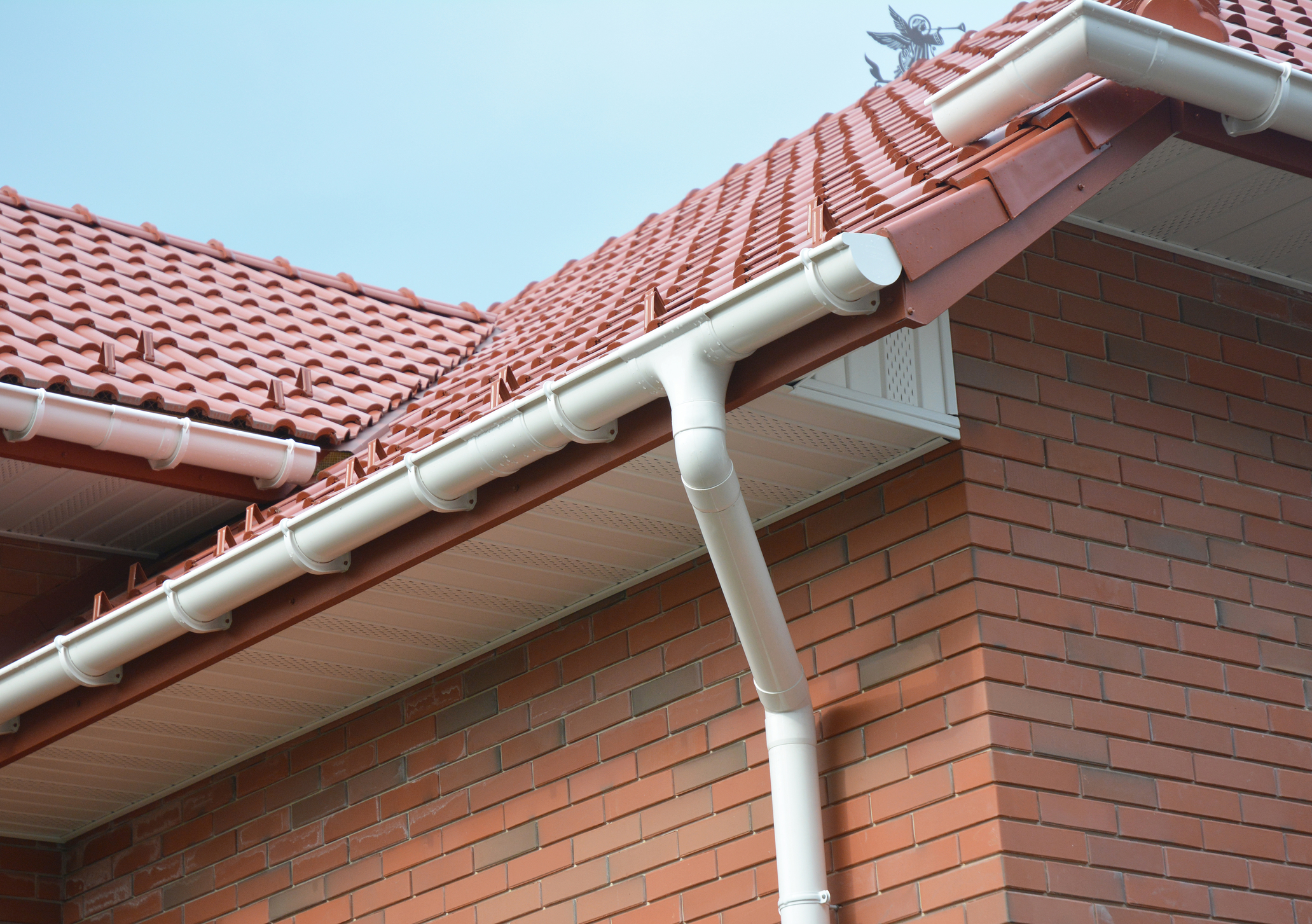
When considering gutter replacement, it’s crucial to understand the different types available in order to make an informed decision. The two primary types are half-round gutters and K-style gutters. Half-round gutters, as the name suggests, are half-round tubes that carry water to the downspouts. They are often found in older, historic homes. K-style gutters, on the other hand, have flat bottoms and backs, with the front side moulded to mimic crown moulding. They are preferred for their greater water carrying capacity and resistance to bending or leaking.
Besides the shape, the size of gutters is another important consideration. Common sizes are five and six inches, but larger homes or areas with heavy rainfall might require wider gutters. Similarly, the choice between sectional or seamless gutters is also crucial. Sectional gutters are easier to install and can be done DIY, but they are more prone to leaks. Seamless gutters, although requiring professional installation, provide better protection against leaks.
Apart from these, there are also options like box gutters and fascia gutters, each with their own advantages and appropriateness for different types of properties. Therefore, understanding your property’s requirements and the weather conditions of your area can guide your choice of the gutter system.
Making the Right Choice: Materials for Gutter Replacement
Various materials are available for gutter systems, each with its own advantages and drawbacks. The most common material is aluminium due to its lightweight, resistance to rust, and availability in different colours. It’s also relatively easy to install and can withstand most weather conditions, making it a popular choice for many homeowners.
Vinyl is another option that is even lighter than aluminium and the easiest to install, making it ideal for DIY enthusiasts. It’s also the least expensive; however, it’s prone to becoming brittle and cracking in cold weather. On the other hand, steel and copper are more expensive but offer greater durability and longevity. Steel gutters are extremely sturdy and can hold up against heavy winds and loads, while copper gutters are highly resistant to rust and can last up to 100 years.
These materials also vary in their aesthetic appeal, with copper offering a more classic, refined look, and vinyl and aluminium providing a more modern appeal. Therefore, your choice should consider both functional and aesthetic factors.
An Insight into the Gutter Replacement Process
The gutter replacement process begins with a thorough inspection of your property to determine the extent of damage and replacement required. This is followed by measurements to decide the length of the gutters, the quantity of material needed, and the number of downspouts required. Once this is established, the old gutters are carefully removed to avoid damage to the property’s siding. The new gutters are then cut to the right size, and the pieces are assembled before being hoisted into place.
The new gutters are then securely fastened to the house using gutter hangers. These must be correctly spaced to provide adequate support to the gutters and prevent sagging. The downspouts are then connected to the gutters and firmly attached to the house. Finally, the entire system is checked to ensure it’s working effectively.
It’s important to note that this process requires accurate measurements, appropriate tools, and a good understanding of how gutter systems work. Therefore, while it’s feasible to do this as a DIY project, hiring professionals can ensure the job is done correctly and efficiently.
Hiring Professionals vs DIY: A Balanced View
When it comes to gutter replacement, both DIY and professional services have their advantages. On the one hand, DIY gutter replacement can save on labour costs and offer a sense of accomplishment. However, it requires the right tools, skills, and a fair amount of time. Therefore, it’s important to assess your capabilities honestly before embarking on this task.
Professional gutter installers, on the other hand, bring in a wealth of experience and expertise. They can handle complexities that might arise during the process, ensuring a reliable and efficient installation. They also know how to handle different materials and can advise you on the best options for your property. Additionally, professional installation often comes with warranties, providing you with long-term assurance and peace of mind.
Balancing the cost against the time and effort involved, and the quality of the job done, can help you make the right choice between DIY and professional gutter replacement.
Essential Maintenance Tips after Gutter Replacement
Replacing your gutters is only the first step in ensuring the long-term health of your property. Regular maintenance is necessary to keep your gutters functioning optimally. As a rule of thumb, your gutters should be cleaned at least twice a year, preferably in late spring and early autumn. This helps to clear out leaves, twigs, and other debris that can clog the gutters and impede water flow.
Beyond cleaning, it’s also important to regularly check your gutters for signs of wear or damage. This includes looking for cracks, leaks, and sagging. Promptly addressing these issues can prevent substantial damage and the need for another gutter replacement too soon. Regular checks and maintenance also extend the lifespan of your gutter system, offering you better value for your investment.
Lastly, consider installing gutter guards. These can significantly reduce the amount of debris that gets into your gutters, reducing the need for regular cleaning and prolonging the life of your gutters.
Environmental Considerations for Gutter Disposal
When replacing your gutters, it’s important to dispose of the old ones responsibly. Many gutter materials are recyclable, including aluminium, steel, and copper. Take these to a recycling facility instead of a landfill. Doing so not only reduces the impact on the environment but can also earn you some money, as scrap metal is often worth something.
If your gutters are made of vinyl, check with your local waste management facility about recycling options. While not all facilities accept vinyl, some do, and it’s worth exploring these options to reduce waste. If recycling is not an option, at least ensure the gutters are disposed of in a way that complies with local regulations.
In conclusion, replacing your gutters is a significant investment in your property’s long-term health and value. By understanding the importance, recognising the signs of damage, knowing your options, and maintaining the new system well, you can ensure this investment offers the best possible returns.